
The Concept of Luck in Gambling
Luck is often viewed as a central factor in the world of gambling, particularly in casino games. This perception stems from the unpredictable nature of games like slots, roulette, and blackjack, where outcomes can vary significantly from one round to the next. Many players approach these games with the belief that luck can be influenced by certain behaviors or superstitions, such as wearing lucky clothing or performing rituals before placing bets. Some even rely on betting apps that don't require id to enhance their gaming experience.
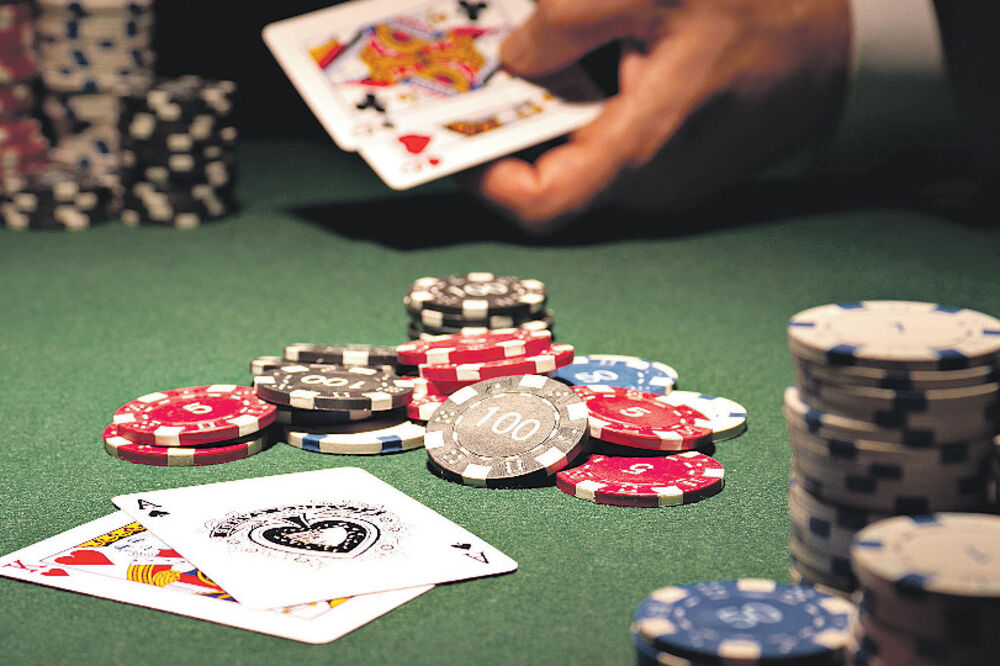
Understanding the concept of luck involves delving into psychological theories that explain how individuals attribute success or failure to external forces. In gambling, luck is often idealized as a desirable trait that can lead to unexpected windfalls. This belief can create an emotional rollercoaster for players, as they oscillate between hope and disappointment with every spin of the wheel or flip of a card.
Superstitions and Their Impact on Player Behavior
Superstitions play a significant role in the psychology of luck, particularly within casino environments. Many gamblers adopt specific rituals or beliefs, such as throwing dice in a particular manner or avoiding certain numbers, under the impression that these actions will influence their chances of winning. Psychological studies have shown that these superstitions can enhance the gambling experience, providing players with a perceived sense of control over an inherently random process.
Such beliefs can lead to a phenomenon known as “illusory control,” where players feel they can predict outcomes based on their actions. While logical reasoning suggests that luck is purely random, the emotional satisfaction derived from these rituals keeps players engaged and hopeful, often leading to prolonged gambling sessions. This interplay between superstition and behavior reflects the complexity of human psychology in the context of chance games.
The Role of Cognitive Biases in Gambling
Cognitive biases significantly shape how players perceive luck in casino games. The gambler’s fallacy, for instance, is a common bias where individuals believe that past events influence future outcomes in random games. For example, a player might assume that after several losses, a win is “due,” which can lead to irrational betting patterns and increased risk-taking.
Another cognitive bias prevalent in gambling is the illusion of skill. Many players convince themselves that they possess special skills or strategies that give them an edge, despite the inherent randomness of the games. This misconception can lead to overconfidence and significant financial losses, but it also fuels the excitement and allure of gambling, as players seek to recreate perceived past successes.
The Emotional Rollercoaster of Winning and Losing
The emotional highs and lows associated with gambling are closely linked to the perception of luck. Winning, even if by chance, can produce a rush of euphoria and a sense of validation, making players feel as if they possess a magic touch. Conversely, losing can invoke feelings of despair and frustration, leading some to chase losses in an attempt to recapture their previous good fortune.
This emotional rollercoaster is not only a hallmark of gambling but also a powerful motivator that drives player engagement. The anticipation of winning can blind players to the reality of their odds, reinforcing the cycle of risk-taking and hope. This emotional investment in luck serves as both an attraction to the casino environment and a catalyst for potentially harmful gambling behaviors.

Ensuring a Safe Gambling Experience
The excitement surrounding luck in casino games can sometimes overshadow the importance of safe gambling practices. It’s vital for players to approach gambling with a sense of responsibility and awareness of the associated risks. Online casinos often implement security measures and resources to help players maintain a healthy relationship with gambling, ensuring that the thrill of the game does not compromise personal safety.
For those seeking a secure and enjoyable gambling experience, understanding the psychology of luck can offer valuable insights. By recognizing how emotions, biases, and superstitions influence gambling behavior, individuals can make more informed choices. These insights not only enhance the overall experience but also promote responsible gaming practices, ensuring that enjoyment remains the primary focus in the world of casino games.