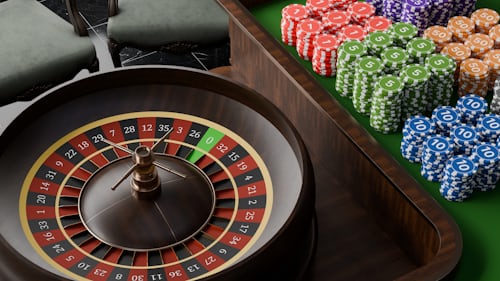
The Allure of Casinos and Their Design
Casinos are meticulously designed environments that aim to enhance the overall experience for gamblers. The architecture, lighting, and soundscapes are all strategically placed to create a sense of excitement and urgency. This immersive atmosphere is intended to keep players engaged, often leading to prolonged gaming sessions. Understanding the psychological effects of these design elements can provide insight into why so many are drawn to these establishments, despite the odds being against them. If you’re interested in the underlying factors, you can get more insights here to better appreciate the complexities involved.
The sensory overload in a casino, with vibrant colors and enticing sounds, is not mere coincidence. It taps into our basic human instincts. Studies have shown that such environments can trigger the release of dopamine, the neurotransmitter associated with pleasure and reward, which can make winning feel even more thrilling and losses less impactful. This psychological cocktail is a key factor in the addictive nature of gambling.
The Psychology of Risk and Reward
At the heart of every casino game lies the concept of risk and reward. Gamblers are often attracted to the potential for significant wins, even when the chances are not in their favor. This allure can be linked to the psychological phenomenon of “variable rewards,” where uncertain outcomes amplify excitement. The unpredictability of winning can create a compelling reason for players to continue betting, clinging to the hope of hitting the jackpot.
This desire for risk is intricately connected to how we perceive chance and luck. Many players develop their own beliefs and strategies around these concepts, often attributing wins to personal skill or luck rather than the inherent house edge. This cognitive bias can lead individuals to engage more with games, convinced that they can overcome the odds.
The Role of Emotion in Gambling
Emotions play a critical role in the decision-making processes of casino patrons. When individuals are in a heightened emotional state, whether it’s excitement or frustration, their ability to make rational decisions can diminish. This is particularly true in high-stakes situations where adrenaline can cloud judgment. Players might chase losses or gamble more aggressively when feeling overly confident or despondent.
Moreover, the impact of social interactions in a casino can influence a player’s emotions and subsequent choices. Winning in a social context, surrounded by fellow gamblers, can amplify the joy of success and encourage further play, while losses can be downplayed or rationalized in the company of others. Understanding these emotional dynamics can help both players and casinos shape a more responsible gaming environment.
Strategies for Responsible Gambling
Recognizing the psychological elements at play in gambling is crucial for promoting responsible behavior. Casinos and players alike must be aware of the mental traps that can lead to unhealthy gambling habits. Setting personal limits, understanding the odds, and acknowledging the possibility of loss are vital components of a responsible approach to gaming.
Educating oneself about the psychology of gambling can empower players to make informed choices. This includes exploring how emotional states, design influences, and cognitive biases can affect gambling decisions. By fostering a culture of awareness and education, both players and casinos can work towards creating a more balanced and sustainable gaming experience.

About This Website
This website serves as a valuable resource for those interested in understanding the complex interplay between psychology and gambling behavior. It aims to provide insights, strategies, and support for individuals seeking to navigate the world of casinos responsibly. Whether you are a novice gambler or a seasoned player, the information available here can help you make more informed decisions.
By exploring the intricacies of gambling psychology, this platform aspires to promote healthier gaming habits and an awareness of the potential risks involved. Engaging with the resources provided can enhance your understanding of gambling, ensuring that your experiences are enjoyable and responsible.